In recent years, fitness has become more than a health goal in Singapore—it’s evolved into a full-fledged lifestyle. The growing popularity of personal training Singapore has sparked a movement that goes beyond gym sessions. It influences how people dress, shop, eat, and even interact socially. From premium activewear to mindful routines, fitness is no longer confined to workout hours—it’s an identity that Singaporeans proudly express through their daily choices.
The Rise of Fitness as a Lifestyle
Singapore’s fast-paced environment has pushed many professionals to seek balance through health and movement. As more people turn to personal trainers for guidance, the mindset around fitness has transformed from a short-term project into an ongoing lifestyle choice.
This shift has brought an entirely new cultural aesthetic—one that blends performance with self-expression. Gym sessions are now followed by brunches in stylish athleisure wear, meetings with smoothie bottles in hand, and evenings filled with social runs or yoga events. Fitness has become both a wellness pursuit and a social statement.
Personal Training’s Role in Defining Lifestyle Habits
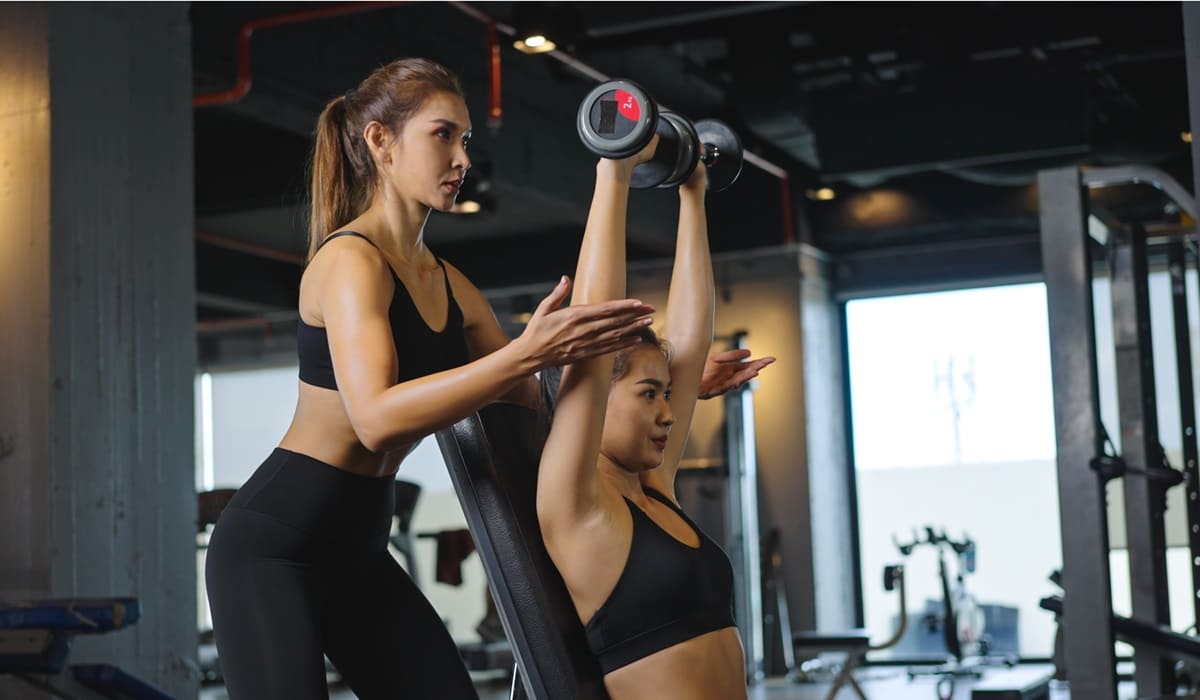
Personal trainers are not just fitness instructors—they are lifestyle architects. They influence how clients approach nutrition, fashion, time management, and even mental health.
Key lifestyle changes guided by trainers include:
-
Structured daily routines: Clients begin prioritising workouts like business meetings.
-
Mindful eating: Trainers encourage balanced nutrition rather than restrictive diets.
-
Consistent recovery: Sleep, mobility, and rest days become part of the plan.
-
Fashion as motivation: Wearing activewear that feels good boosts confidence and consistency.
Through these integrated routines, fitness transitions from being an activity to a holistic way of life.
The Athleisure Revolution in Singapore
One of the most visible signs of this cultural shift is the rise of athleisure. What started as gym wear has now become the uniform of the modern urban Singaporean.
Athleisure combines comfort, functionality, and elegance—making it suitable for both workouts and daily life. It’s not uncommon to see individuals attending meetings, cafes, or errands in leggings, sports shoes, and moisture-wicking tops.
The reasons behind its popularity include:
-
Convenience: Seamless transition between gym and daily errands.
-
Identity: A visual expression of an active, health-conscious mindset.
-
Confidence: Well-fitted gear enhances posture and body image.
-
Versatility: Suitable for Singapore’s humid climate and casual-professional culture.
Trainers often note that clients who invest in quality activewear show higher motivation levels. Dressing for movement psychologically reinforces the intent to stay consistent.
How Fitness Influences Fashion Trends
Fashion brands have taken note of Singapore’s evolving fitness culture. Many are launching local collections that merge luxury with performance, offering breathable materials, minimalist designs, and urban-inspired colour palettes.
Beyond clothing, the trend extends to accessories—smartwatches, recovery tools, and eco-friendly gym bags now serve as both practical and stylish symbols of commitment to wellness.
At True Fitness Singapore, clients often share how embracing an activewear wardrobe makes them feel part of a modern fitness community. The look isn’t just about style—it represents discipline, confidence, and vitality.
Nutrition and the “Clean Living” Mindset
Fitness fashion isn’t the only transformation. Personal training has also redefined eating habits across Singapore. The same individuals who wear smart fitness gear are also the ones choosing acai bowls, cold-pressed juices, and protein-rich meals over processed snacks.
This “clean living” philosophy ties physical appearance with inner health. Trainers encourage clients to view nutrition not as restriction but as empowerment—fuel that supports both performance and aesthetics.
Popular lifestyle shifts include:
-
Replacing high-sugar coffee drinks with smoothies or protein shakes.
-
Choosing balanced meals that fit both office life and post-workout recovery.
-
Experimenting with functional foods like chia seeds, quinoa, and fermented products.
The result is a health-first lifestyle that complements the visual confidence of modern fitness culture.
Social Fitness: The New Networking
Workouts have become the new networking events. Personal training has inspired group sessions, charity fitness runs, and community wellness challenges where friendships and collaborations begin.
Singapore’s professionals increasingly see gyms as social spaces where like-minded individuals connect beyond job titles. Whether it’s discussing training progress, sharing health tips, or exploring new wellness cafes together, fitness now bridges both social and professional circles.
This cultural phenomenon has made health a shared value, not a private pursuit. Trainers play a central role by fostering community through events, digital challenges, and wellness programmes.
The Psychological Shift: From Vanity to Vitality
In earlier years, fitness was often driven by appearance. Today, the focus has shifted toward vitality, confidence, and self-care. Clients train not just to look fit but to feel strong, resilient, and balanced.
Trainers encourage this mindset through measurable but sustainable goals—better posture, improved energy, or reduced stress. As a result, the image of “fitness” in Singapore has become more inclusive and emotionally intelligent, promoting mental well-being alongside physical aesthetics.
Activewear as a Symbol of Empowerment
The popularity of performance wear also reflects empowerment, especially among women. Wearing activewear in public signifies confidence, independence, and self-respect. It communicates a lifestyle of ownership—of health, body, and time.
For men, it reflects commitment and discipline. Trainers often highlight how consistent fitness habits influence body language, decision-making, and even leadership presence. The way clients dress and move mirrors the confidence they build through training.
The Future: Where Fashion Meets Function
As technology integrates further into fashion, expect more innovation in the fitness lifestyle sector. AI-enhanced fabrics, temperature-regulating apparel, and sustainability-driven activewear lines are already gaining traction in Singapore.
Smart clothing that monitors heart rate, hydration, or posture during workouts is no longer a distant concept. Trainers foresee these innovations becoming part of standard personal training packages, merging style with biofeedback for improved performance.
This synergy between fitness and fashion is redefining what it means to live well. Being fit is no longer limited to gym hours—it’s about aligning one’s mindset, appearance, and energy into a cohesive lifestyle.
FAQ
Q1: Why has activewear become so popular in Singapore?
A1: It aligns with the city’s health-conscious culture, offering comfort, style, and practicality for both workouts and daily wear.
Q2: How does personal training influence lifestyle choices?
A2: Trainers help clients build structured routines, choose balanced nutrition, and adopt wellness habits that extend beyond gym sessions.
Q3: Is fitness fashion just a trend?
A3: No. It reflects a broader cultural shift toward prioritising health, self-confidence, and balance in daily living.
Q4: How is nutrition part of Singapore’s fitness lifestyle?
A4: Clean, balanced eating supports performance and recovery, making it a natural extension of the fitness mindset encouraged by trainers.
Q5: Do personal trainers discuss fashion or lifestyle with clients?
A5: Yes. Trainers often advise on comfortable, functional wear and overall wellness routines that complement fitness goals.
Q6: Why do many professionals in Singapore prefer fitness-oriented lifestyles?
A6: It helps manage stress, improves productivity, and supports both physical appearance and mental focus.
Q7: What’s next for Singapore’s fitness lifestyle scene?
A7: Expect a rise in smart activewear, eco-conscious fashion, and holistic personal training models that combine wellness, technology, and self-expression.