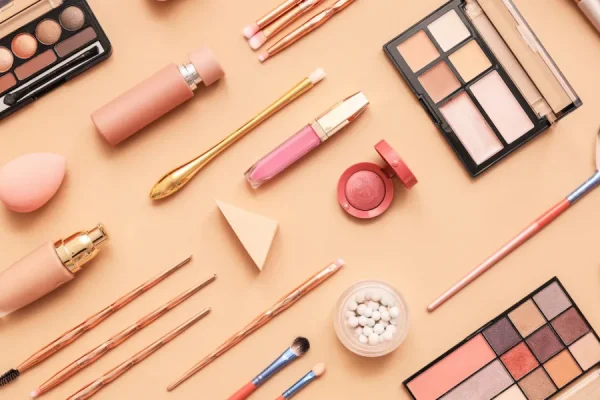

Cosmetics are far more than products applied to the skin—they are cultural artifacts, scientific achievements, and powerful tools of self-expression. From ancient kohl-rimmed eyes to modern-day highlighters and serums, cosmetics have been woven into the human story for millennia. They enhance natural features, transform appearances, boost confidence, and often serve as silent markers of identity, status, or mood. Today, the cosmetics industry is a global powerhouse—ever-evolving, deeply personal, and increasingly shaped by technology, sustainability, and inclusive ideals. In this article, we explore the multi-faceted world of cosmetics: its history, science, cultural relevance, and the direction it is heading.
The Origins of Cosmetics: A Cultural Legacy
Cosmetics are not a modern invention. Their use dates back thousands of years and spans every major civilization. In ancient Egypt, men and women alike applied black kohl around their eyes to protect against the sun and ward off evil spirits. Cleopatra famously used crushed beetles for lipstick and ground lapis lazuli for eye shadow. Similarly, the Greeks and Romans employed natural oils, lead-based face powders, and perfumes to signify wealth and refinement.
Across Asia, cosmetics played ceremonial and symbolic roles. In Japan, geishas wore white rice powder, while in India, kajal (a type of eyeliner) was used both for beauty and as a protective charm. Indigenous cultures around the world used natural pigments for face painting, often tied to rituals, battles, or spiritual practices.
While the specific materials and methods varied, one thing remained constant: cosmetics have always reflected more than aesthetic desires. They represent beliefs, aspirations, and social codes—deeply rooted in time, place, and identity.
Modern-Day Cosmetics: Where Science Meets Sensibility
Today’s cosmetic industry blends traditional beauty ideals with cutting-edge science. Behind every serum, foundation, or lipstick lies a complex formulation process involving dermatological research, chemistry, and often biotechnology. Modern consumers no longer settle for products that merely look good—they expect efficacy, safety, and skin compatibility.
Key Categories of Modern Cosmetics Include:
-
Skincare Cosmetics: Products such as moisturizers, anti-aging creams, sunscreens, and serums fall into this category. They often contain active ingredients like hyaluronic acid, retinol, peptides, or niacinamide designed to improve skin texture, tone, and overall health.
-
Makeup Cosmetics: This includes foundations, concealers, blush, eyeshadow, mascara, and lip color. Beyond aesthetics, many modern formulas now offer additional benefits like SPF protection, hydration, or antioxidant infusion.
-
Fragrance: Perfumes and colognes remain a key segment, blending artful scent composition with lasting sensory appeal.
-
Hair and Nail Cosmetics: Hair dyes, styling products, nail polishes, and treatments are crucial to the industry, often pushing boundaries with bold innovation and fashion-forward designs.
What sets modern cosmetics apart is their versatility. Consumers now demand multi-functional products—BB creams that moisturize and provide coverage, lipsticks with plumping agents, or foundations infused with vitamins. The result is a market that not only thrives on beauty but also on performance and personalization.
The Emotional and Psychological Power of Cosmetics
Cosmetics influence how people feel, not just how they look. Applying makeup can be a ritual of self-care, a boost of confidence, or a creative outlet. It can be armor for the professional world or a statement of individuality. In many ways, cosmetics act as a bridge between the inner self and the outer image—helping individuals navigate the many roles they play in daily life.
Numerous studies have shown that wearing makeup can enhance self-perception and interpersonal relationships. It can also reduce anxiety, particularly in high-stakes social or professional settings. More importantly, it allows users to exert control over their image—a subtle yet powerful act of self-agency.
The Rise of Inclusivity and Representation
Historically, the cosmetics industry catered to narrow beauty standards—often centered around Eurocentric ideals and limited shade ranges. Thankfully, that landscape is rapidly changing. With the influence of social media, diverse voices, and consumer demand, brands are expanding their offerings to include a broader spectrum of skin tones, gender identities, and ages.
Inclusive beauty is no longer a marketing trend—it’s a necessary standard. Major cosmetic houses are launching foundation ranges with over 40 shades, while indie brands are spotlighting non-binary models, mature women, and people with unique skin conditions. Representation now extends beyond color to formulation—products for oily, dry, acne-prone, sensitive, or melanin-rich skin types are gaining prominence.
This shift not only reflects social progress but also deepens consumer loyalty. When individuals see themselves represented, they engage more meaningfully and trust the brand’s values.
Sustainability: The New Gold Standard
As consumers become more eco-conscious, the demand for sustainable cosmetics has surged. This goes beyond recyclable packaging—it includes ingredient sourcing, ethical labor, cruelty-free testing, and carbon-neutral manufacturing.
Key Trends in Sustainable Cosmetics:
-
Clean Beauty: Focuses on transparency in ingredient lists, avoiding potentially harmful substances like parabens, sulfates, and phthalates.
-
Vegan and Cruelty-Free Products: Brands that avoid animal testing and animal-derived ingredients are growing in popularity, especially among younger consumers.
-
Refillable and Minimal-Waste Packaging: Innovations such as reusable compacts, biodegradable containers, and packaging-free options are setting new benchmarks for eco-responsibility.
-
Ethical Sourcing: From fair-trade shea butter to sustainable mica mining, brands are increasingly expected to ensure ethical practices throughout their supply chains.
Sustainability in cosmetics is not just about protecting the planet—it’s about integrity, transparency, and building long-term trust with conscious consumers.
Technology and the Future of Cosmetics
Technology is revolutionizing the beauty space. AI-powered tools now allow for virtual try-ons, personalized product recommendations, and skin analysis using mobile devices. Augmented reality apps let users experiment with makeup looks without ever touching a brush.
Meanwhile, biotech is influencing ingredient development. Lab-grown collagen, plant stem cells, and microbiome-friendly formulations are reshaping what’s possible in skin health. Personalized skincare—based on DNA or lifestyle data—is also becoming increasingly accessible.
As digital tools and cosmetic science converge, consumers will enjoy a more customized, interactive, and innovative beauty experience than ever before.
Final Thoughts
Cosmetics have come a long way from crushed berries and charcoal pigments. Today, they exist at the intersection of tradition, innovation, and emotion. They are both mirror and mask—reflecting identity while empowering transformation. Whether used to conceal or reveal, to celebrate heritage or break boundaries, cosmetics offer a uniquely human experience that blends art, science, and soul. In an era that increasingly values individuality, wellness, and conscious consumption, the cosmetic industry’s greatest strength lies in its ability to evolve—just like the people it serves.