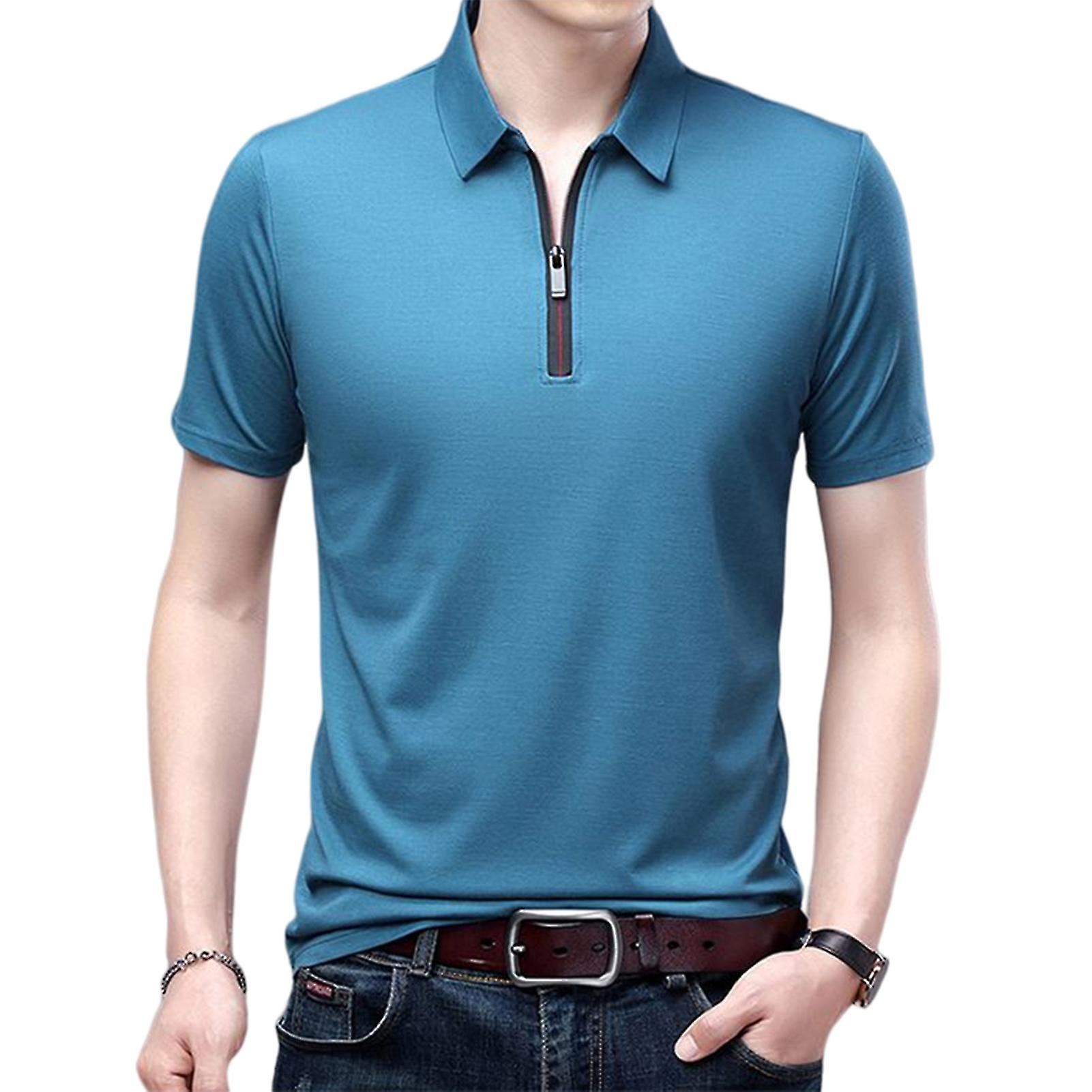

Clothing, at first glance, may appear to be a simple necessity—a practical shield against the elements. But in truth, it is one of the most nuanced and expressive forms of communication we possess. It tells stories, signals identities, inspires confidence, and reflects both the intimate and public facets of who we are. From the earliest garments woven from nature’s offerings to today’s cutting-edge, tech-enhanced designs, clothing has evolved alongside humanity, embodying tradition, transformation, and innovation. In this in-depth exploration, we unpack the many layers of clothing, tracing its roots, its roles, and its relevance in today’s global society.
The Fundamental Purposes of Clothing
Clothing, at its core, fulfills several fundamental roles—some practical, others psychological, cultural, and symbolic.
• Protection and Functionality
The most basic function of clothing is to protect the human body from environmental factors. Whether it’s shielding us from the sun’s rays, braving winter’s chill, or providing barriers against occupational hazards, clothing offers essential coverage. From fire-retardant uniforms to UV-resistant fabrics, the functional dimension of clothing continues to evolve to meet our needs.
• Social Identification and Cultural Expression
Clothing is also a signifier of identity. It indicates belonging—whether to a culture, a religion, a profession, or a generation. Traditional attire such as the Japanese kimono, the Indian kurta, or the Nigerian agbada preserves cultural heritage and conveys deep meaning. Even in modern, multicultural societies, clothing continues to act as a vessel of shared history and regional pride.
• Personal Style and Self-Expression
Perhaps the most powerful aspect of clothing lies in its ability to express individuality. Our clothing choices reflect personality, mood, creativity, and values. From the casual elegance of a linen shirt to the bold confidence of a statement jacket, style becomes a language—wordless, but eloquent.
• Psychological Empowerment
The concept of “enclothed cognition” explores how our clothes affect our psychology. Dressing for success is more than a cliché; it’s a proven strategy for boosting confidence, focus, and even performance. A well-tailored blazer can make one feel capable and poised. A favorite pair of jeans can bring a sense of comfort and ease. What we wear often influences how we feel and how we engage with the world around us.
The Historical Arc: Clothing Through the Ages
Clothing has mirrored humanity’s evolution. In ancient times, clothing was minimal and made from natural materials like animal skins, leaves, and woven fibers. As civilizations advanced, so did textile technology and garment complexity.
• Ancient Civilizations
In Egypt, linen garments symbolized purity and status. Roman togas, worn only by citizens, were markers of civic privilege. In ancient China, colors and fabrics were often restricted by law to distinguish social classes.
• Medieval and Renaissance Europe
During the Middle Ages, clothing became even more class-specific. The aristocracy flaunted their wealth with velvet, silk, and embroidery, while peasants wore simple wool tunics. By the Renaissance, fashion had become a courtly obsession, with tailors creating lavish garments for royalty and nobility.
• The Industrial Revolution and Democratization of Fashion
The 19th century ushered in mechanized textile production, allowing clothes to be made quickly and cheaply. What was once exclusive became accessible. Middle classes emerged with growing purchasing power, and fashion became an aspirational industry.
• The 20th Century and the Rise of Fashion Movements
Each decade brought dramatic shifts in style. The flapper dresses of the 1920s, the utilitarian wartime garments of the 1940s, the rebellious denim of the 1960s, and the power suits of the 1980s all spoke to cultural and political movements. Fashion was no longer just about what one wore—it became an emblem of the times.
Types of Clothing: A World of Style and Function
In modern wardrobes, clothing is generally categorized by its purpose. Understanding these categories helps clarify how we dress and why.
• Casual Wear
Casual attire prioritizes comfort and simplicity. Think T-shirts, jeans, hoodies, and sneakers. While relaxed, casual wear has evolved into a style statement in its own right, often infused with urban influence, streetwear elements, and minimalist design.
• Formal and Professional Attire
Worn in business and ceremonial contexts, formal clothing includes suits, dresses, tailored shirts, and structured outerwear. These pieces signal respect, authority, and occasion.
• Sportswear and Activewear
Engineered for movement and durability, this category includes leggings, moisture-wicking tops, compression garments, and performance footwear. With the athleisure trend, activewear now comfortably straddles the worlds of sport and style.
• Cultural and Ceremonial Wear
Weddings, religious events, and rites of passage often require clothing that connects to one’s heritage or tradition. These garments, often handmade and ornate, are imbued with symbolism and passed down through generations.
• Outerwear and Accessories
Coats, jackets, scarves, and hats provide not just warmth but also a finishing layer of style. Accessories—from belts and bags to jewelry and eyewear—further personalize a look and enhance its visual interest.
The Ethics and Economics of Clothing
As clothing production has become faster and more globalized, ethical and environmental concerns have taken center stage. The rise of fast fashion—characterized by low-cost, trend-driven apparel produced at scale—has led to significant waste, poor labor practices, and ecological harm.
In response, a growing movement toward sustainable fashion is taking shape. Brands now emphasize:
-
Fair labor standards for factory workers
-
Eco-friendly materials like organic cotton, hemp, and recycled fibers
-
Transparent supply chains that allow consumers to understand where and how garments are made
-
Slow fashion principles that encourage fewer, better-quality purchases and timeless style over fleeting trends
This shift is not merely a trend but a broader reevaluation of how we consume. It reflects a desire to align one’s wardrobe with one’s values—making clothing a conscious choice, not just a fashionable one.
Looking Forward: Technology Meets Tradition
The future of clothing is poised at a fascinating intersection of tradition and innovation. Technologies such as 3D printing, smart fabrics, and AI-assisted design are reshaping how garments are created and experienced. Clothes that adjust to body temperature, track health metrics, or change color with mood are no longer science fiction.
Simultaneously, there is a renewed appreciation for artisanal craftsmanship—handwoven textiles, natural dyes, and traditional sewing techniques. The combination of high-tech innovation and heritage craft signals a more balanced, thoughtful future for fashion.
Conclusion: Clothing as an Extension of the Human Experience
Clothing is not simply what we wear—it is who we are. It reflects our culture, our values, our emotions, and our aspirations. It allows us to celebrate heritage, mark milestones, and navigate modern life with both function and flair. In every thread, stitch, and silhouette lies a story waiting to be told. As we continue to evolve, so too will our clothing—forever woven into the fabric of the human story.