

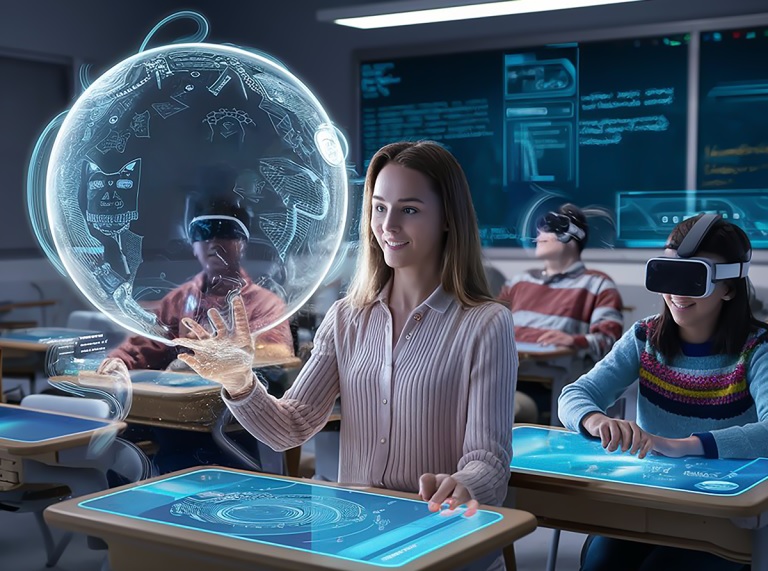
Technology has become so deeply woven into everyday life that it is easy to forget how much things have changed. A few decades ago, working remotely, streaming a movie from a phone, or joining a meeting with someone on another continent would have seemed unusual. Today, these activities are part of normal life. Technology continues to reshape not only how we work but also how we relax, socialise, and spend our free time.
Making Work More Flexible
One of the biggest changes technology has introduced is the ability to work from almost anywhere. Cloud-based platforms allow employees to access documents, communicate with colleagues, and manage projects without being tied to a particular office.
Video conferencing has also made remote collaboration much easier. Teams can hold meetings, share screens, and discuss projects even when members are working from different cities or countries.
For many businesses, this flexibility has opened the door to new ways of organising teams and attracting talent.
Automating Repetitive Tasks
Technology is also changing what people actually spend their working hours doing. Software can handle repetitive activities such as scheduling appointments, organising information, processing basic transactions, and generating routine reports.
Artificial intelligence is taking this a step further by helping workers analyse information, draft content, answer common questions, and complete other time-consuming tasks.
The goal is not necessarily to remove people from the workplace. When used properly, automation can give employees more time to focus on creative thinking, problem-solving, and decisions that require human judgement.
Learning Without Traditional Boundaries
Technology has also made learning more accessible. Online courses, real money online pokies, educational apps, digital libraries, podcasts, and video tutorials allow people to learn new skills whenever it suits them.
Someone interested in coding can practise through an online platform, while another person can learn a new language from a smartphone. This flexibility means education is no longer limited to classrooms or fixed schedules.
Changing How We Relax
Technology has transformed entertainment just as dramatically. Streaming platforms allow people to watch films and series whenever they want, while music services provide access to enormous libraries without requiring physical collections.
Gaming has also evolved. Players can compete with people around the world, explore virtual environments, or enjoy casual games on their phones. Social platforms have added another layer by allowing people to share experiences, follow creators, and communicate instantly.
Bringing People Closer
Technology makes it possible to stay connected with friends and family regardless of distance. Messaging apps, video calls, social networks, and online communities allow people to maintain relationships that might otherwise become difficult to manage.
However, convenience does not always equal connection. Constant notifications and screen time can sometimes distract people from the individuals physically around them. Finding a healthy balance remains important.
The Future Is About Balance
Technology will continue to influence both work and leisure. New developments in artificial intelligence, virtual reality, automation, and connected devices will create even more possibilities.
But the smartest approach is not to adopt every new technology simply because it exists. Instead, people should focus on tools that genuinely improve their lives.
Whether it helps you finish work faster, learn something new, enjoy your favourite entertainment, or stay connected with someone far away, technology is most valuable when it serves a practical purpose. The real challenge is learning how to use it without allowing it to take over the moments that matter most.
