

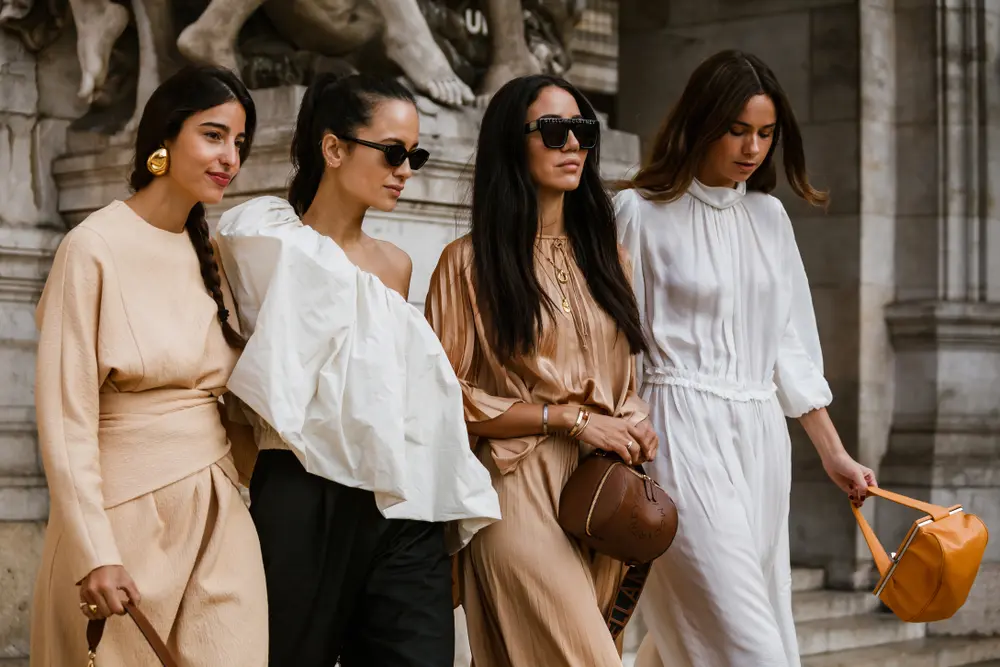
Fashion has always been about creativity and self-expression, but the industry is increasingly paying attention to what happens behind the clothes we wear. As consumers become more conscious of waste, production methods, and the lifespan of garments, sustainable fashion is becoming an important part of modern style. Today, looking good and making more thoughtful choices can go hand in hand just like spending time on australian online casino sites.
The Rise of Slow Fashion
Fast fashion has made it possible to buy new clothes quickly and cheaply, but it has also encouraged a culture of constant replacement. Slow fashion offers a different approach by focusing on quality, durability, and thoughtful purchasing.
Instead of buying something simply because it is trending, consumers are increasingly choosing pieces they can wear repeatedly and style in different ways. A well-made jacket or pair of trousers can remain useful for years rather than becoming unwanted after a few months.
Second-Hand Fashion Is Becoming Stylish
Wearing pre-owned clothing is no longer seen simply as a way to save money. Vintage shops, resale platforms, thrift stores, and clothing exchanges have become popular sources of unique fashion pieces.
Second-hand shopping gives people the opportunity to find styles that may not be available in regular stores. At the same time, extending the life of existing clothing can reduce the demand for producing completely new garments.
Upcycling Gives Old Clothes a New Life
Another growing trend is upcycling, where existing clothing or materials are transformed into something new. An old shirt might become a skirt, while unused fabric can be turned into accessories or decorative details.
Designers are increasingly experimenting with leftover materials to create pieces that feel distinctive. This approach combines creativity with a practical way of reducing textile waste.
Sustainable Materials Are Changing Design
Fashion brands are also exploring alternative materials with lower environmental impacts. Recycled fabrics, organic fibres, and innovative plant-based materials are appearing in more collections.
The goal is not simply to replace one material with another but to consider how materials are sourced, produced, used, and eventually disposed of. As technology improves, designers have more opportunities to experiment with materials that were once uncommon in mainstream fashion.
Consumers Are Asking More Questions
Modern shoppers are becoming more interested in how their clothes are made. Questions about working conditions, materials, durability, and production practices can influence purchasing decisions.
This is encouraging some brands to become more transparent about their supply chains and manufacturing processes. Customers increasingly want to know that the story behind a garment matches the values presented by the brand.
Style With a Longer Life
Sustainable fashion does not mean giving up personal style or wearing the same clothes forever. It is more about becoming intentional with what we buy, wear, how we use fast payout online casinos australia, repair, and keep.
The future of fashion may be less about constantly chasing the next trend and more about creating pieces with lasting appeal. From second-hand shopping and upcycling to better materials and slower production, sustainable fashion is redefining modern style by showing that creativity and responsibility can exist in the same wardrobe.
