

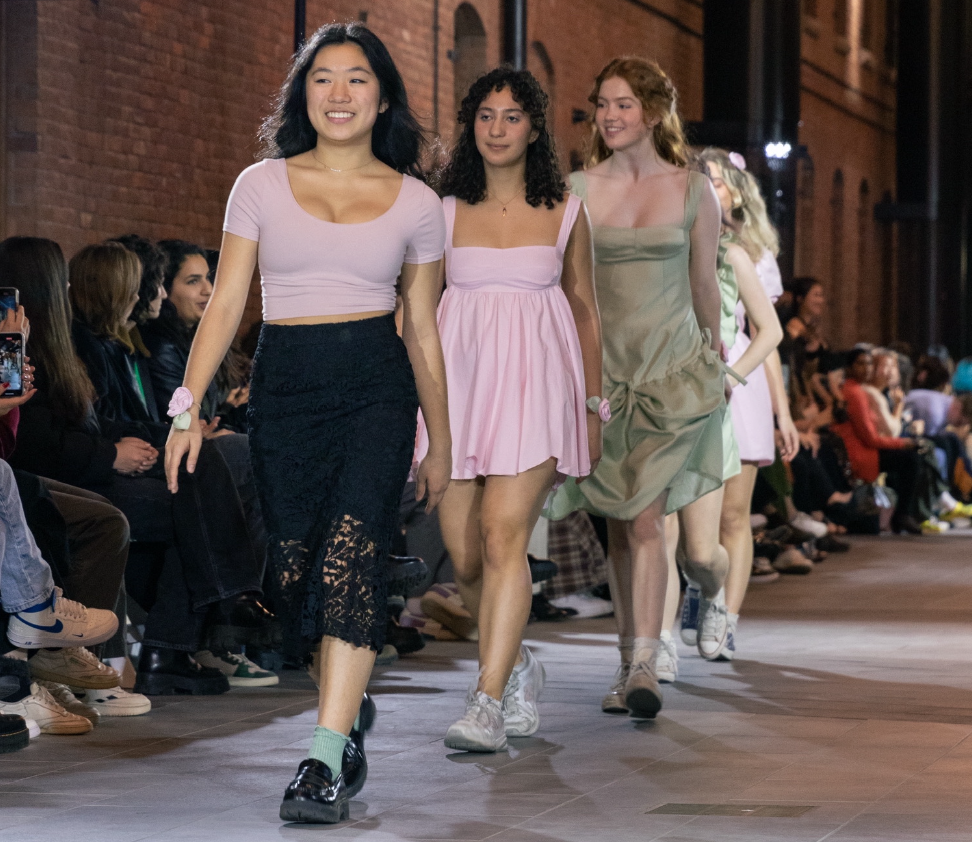
Personal style extends far beyond mere fabric, stitches, and seasonal trends. What a person wears acts as a silent communicator, broadcasting inner identity, emotional states, and personal boundaries to the world long before a single word is spoken. While society often dismisses fashion as superficial, psychological research consistently demonstrates a profound connection between how individuals dress and how they perceive their own capabilities. When a wardrobe is thoughtfully curated rather than randomly assembled, it transforms into a powerful instrument for building self-confidence.
Curated fashion involves intentional selection, focusing on pieces that fit impeccably, resonate with personal values, and align with daily lifestyle needs. Transitioning away from impulse buys and fast-fashion clutter toward a streamlined, intentional closet changes more than just visual appeal. It alters brain chemistry, shifts body posture, and fosters a deep sense of psychological empowerment. Exploring this dynamic relationship reveals how conscious style choices can elevate self-assurance from the inside out.
The Psychology of Intentional Dressing
Clothing affects cognitive processes through a well-documented psychological phenomenon known as enclothed cognition. This concept proves that garments carry symbolic meaning that directly alters the wearer’s mental performance, mood, and confidence levels.
Shifting Self-Perception Through Fabric
When individuals put on structured blazers, tailored trousers, or garments crafted from high-quality textiles, their internal narrative shifts instantly. They stop feeling like they are merely getting through the day and start feeling equipped to conquer challenges. This clothing-induced shift acts as an internal psychological prompt, signaling competence and readiness to the brain.
Eliminating Decision Fatigue
A cluttered closet overflowing with unworn items creates subconscious mental strain every single morning. Sifting through mismatched choices drains cognitive energy before the day even begins. Curating a streamlined wardrobe removes this early morning friction, leaving a clear headspace that fosters calm confidence and decisive action.
The Power of a Curated Wardrobe
Curating a wardrobe requires a deliberate shift in consumer habits. Instead of chasing fast-moving trends that change every week, a curated approach prioritizes longevity, versatility, and personal authenticity.
-
Embracing Perfect Fit: Wearing clothes tailored specifically to body proportions eliminates the physical distraction of constantly adjusting straps, pulling down hems, or fixing waistbands. Comfort breeds physical ease, which translates directly into unshakeable social confidence.
-
Defining a Signature Aesthetic: Finding a cohesive color palette and silhouette style creates a recognizable personal brand. This visual consistency builds trust with others and reinforces a strong, stable sense of self-identity for the wearer.
-
Investing in Quality Over Quantity: Wearing durable, luxurious, and tactile fabrics evokes a sensory feedback loop of self-worth. Owning fewer pieces that feel exceptional is vastly more empowering than owning dozens of garments that feel disposable.
Projecting Authority and Inner Security
First impressions form within seconds of meeting someone, and visual presentation plays an outsized role in that initial judgment. However, the most important audience for any outfit is the person wearing it.
When someone catches their reflection in a mirror and genuinely loves their outfit, a subtle physiological change occurs. Shoulders drop back, the spine straightens, and eye contact becomes more direct. This outward expression of poise loops back into the brain, reinforcing feelings of security and self-worth. Curated fashion acts as a psychological armor, protecting individuals from self-doubt and allowing their authentic competence to shine through during high-stakes situations like job interviews, public speaking engagements, or creative presentations.
Overcoming Imposter Syndrome Through Style
Imposter syndrome plagues many ambitious professionals, leading to chronic self-doubt despite clear achievements and skills. While wardrobe choices alone cannot cure deep-seated anxieties, they provide a tangible, actionable tool to manage moments of professional insecurity.
-
Dressing for the Role Ahead: Wearing elevated, purposeful clothing helps bridge the gap between current skill levels and future aspirations. It tricks the brain into feeling more established and deserving of success.
-
Establishing Grounding Uniforms: Developing a reliable outfit formula for high-pressure days removes the anxiety of what to wear, letting professionals channel 100 percent of their mental focus toward the task at hand.
-
Reclaiming Personal Agency: Fashion allows individuals to take absolute control of how they present their narrative to the world, offering a creative outlet that counters feelings of helplessness or inadequacy.
Frequently Asked Questions
How does a minimalist wardrobe specifically build mental resilience?
A minimalist wardrobe removes clutter and decision fatigue, allowing individuals to start their mornings with clarity and focus. This intentional reduction of choices preserves mental energy for important daily challenges.
Can wearing bright colors genuinely boost self-confidence for introverted individuals?
Yes, color psychology suggests that warm, vibrant hues like crimson, mustard, or cobalt can stimulate energy and assertiveness. However, confidence can also be found in sleek neutrals if those colors align better with a person’s authentic personality.
What is the difference between blindly following trends and true style curation?
Following trends relies on external validation from fashion media and social feeds, which is fleeting and anxiety-inducing. True style curation relies on internal self-discovery, focusing on cuts, fabrics, and colors that honor personal identity and body shape.
Why do people often feel less confident when wearing ill-fitting clothing?
Ill-fitting garments cause physical discomfort and constant distraction. When a person is busy adjusting a sagging neckline or tight waistband, their brain splits focus, diminishing social presence and self-assurance.
How can someone begin curating their wardrobe on a strict budget?
Curation is a gradual process rather than a shopping spree. It begins with auditing current clothes, identifying favorite pieces that spark joy and confidence, donating items that do not fit, and prioritizing thrift stores or sales for timeless investment pieces.
Does the cost of clothing directly correlate with the amount of confidence it provides?
Price tag size has zero impact on self-assurance. Confidence stems from fit, fabric quality, and how well an outfit aligns with personal values. A thrifted garment that fits like a glove will always outperform an expensive designer piece that feels uncomfortable.
